


Antarctic Peninsula Cruises
This is the classic way to see Antarctica. Some of the most scenic spots and famous landmarks are found in this part of the Frozen Continent.
Discover MoreSpecial Offers:Swoop has access to the widest range of offers and can help you find the right trip, cabin, & price.

4.5 out of 5
Looking for an Antarctic adventure without compromising on comfort and service? This stylish 139-passenger ship, with its cavernous suites, fine dining and compelling itinerary, offers a polished Southern Ocean adventure at a fair…
4.6 out of 5
Fly over the Drake Passage in just 2 hours, both to and from Antarctica. Ideal for those wanting a high comfort level, but who have limited time or are anxious sailors. An outstanding program, successfully operated for over 15 seasons.…
4.3 out of 5
The great strength of this trip is choice – a wide selection of departure dates and optional adventure activities available on a sleek purpose-built 138 passenger expedition ship. Spend four full days exploring Antarctica. Enjoy daily shore landings and zodiac…
4.3 out of 5
The ultimate Antarctic adventure, this trip is specifically for the active traveller. Spend 7 days kayaking, hiking, camping, mountaineering and snowshoeing, all included in the price. A medium-sized expedition ship acts as your floating ‘basecamp’. Great value for money backed…
4.6 out of 5
With three medium-sized expedition ships to pick from and regular departure dates throughout the season, this well-priced voyage is a popular option. Across striking landscapes and icy seas, your company includes penguins, seals, whales and skuas. For the adventurous, optional…
4.4 out of 5
With a good choice of departure dates through the season across three medium-sized ships, this 19-22 day trip stands out for its value for money and the broad range of cabin categories available, including Quads, which are…
4.5 out of 5
By offering time saving flights, extended time in Antarctica and the chance to reach the Polar Circle, this 10-day voyage maximises the polar experience. Minimum travel time and maximum exploring time and all the benefits of only 73 people…

4.5 out of 5
Explore the White Continent aboard one of the newest additions to the polar fleet, a state-of-the-art expedition vessel combining adventure with comfort. As well as being limited to only 132 passengers, there’s also a wide range of optional activities on…
4.1 out of 5
For maximum time in Antarctica with flights both ways, this trip really stands out. An extended fly & cruise voyage spending eight full days actually in Antarctica onboard a small, state-of-the-art expedition ship. Optional kayaking & polar…
4.4 out of 5
A rare and popular voyage which flies to Antarctica in just two hours, then sails back across the Drake Passage, maximising both expediency and experience. Spend 5 to 7 days exploring Antarctica on a small, purpose-built expedition ship, with kayaking…
4.8 out of 5
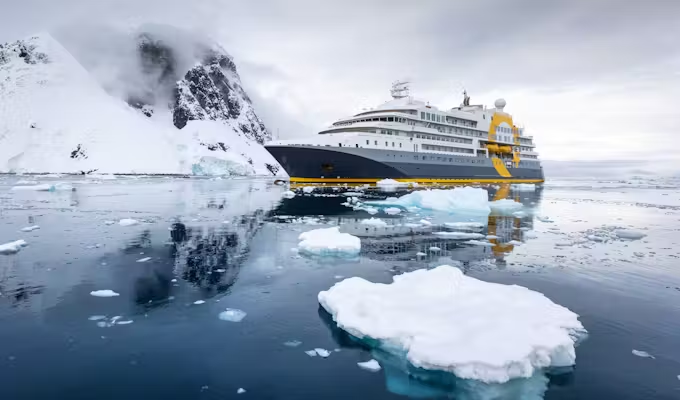
For those travellers prioritising real comfort and ease of travel logistics, this is a great option. Travel in style aboard a state-of-the-art expedition ship, with heli-sightseeing available on select departures for a unique bird's-eye view of Antarctica. Plus the comprehensive…
3.8 out of 5
Journey beyond the Antarctic Circle in real comfort aboard a state-of-the-art expedition ship. Spend an extended period of 7 action-packed days exploring the Antarctic Peninsula. Attractive comprehensive transfer package from Buenos Aires available on select departures. Wide choice of optional…
Swoop has catered for travellers of every group size. Whether you’re adventuring solo or bringing a group of over 100. We can help.
So, you've made the decision to go on an Antarctica expedition. The next important step is to decide which cruise to Antarctica is best for you. There's a vast, tantalising choice of different options open to you - ranging from 6 to 30 days in duration - travelling either by ship or opting to fly:
With many years of experience, Swoop is adept at helping match our customers to exactly the right Antarctic trips.

Choosing when to visit Antarctica is a crucial part of the planning process. Once you've decided which year you plan to travel, the next step is to work out the actual timing of your visit.
Firstly you need to be aware that Antarctica is only accessible to visitors between November and March, and that these months are split into two seasons, with ‘High Season’ being the most popular and expensive time to travel:
It's then important to be aware of the distinctive weather and wildlife characteristics of each month, as the timing of your trip will heavily influence what the wildlife is doing then, and local ice and weather conditions.
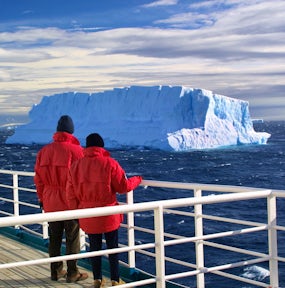
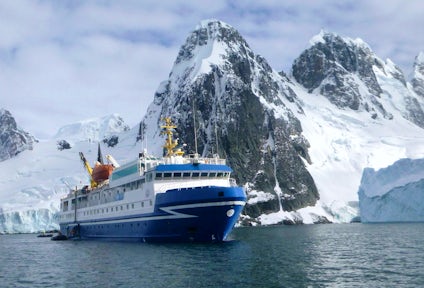
The early explorers had no option, and were grateful for whatever vessel they could commission, but modern day Antarctic visitors are spoilt for choice. Not only can you choose your mode of transport to get there – by either sailing by ship or getting a flight to Antarctica– but there’s also a wide variety of boats, from former Russian research vessels to luxury yachts boasting 24/7 butler service.
Given the considerable amount of time which you’ll be spending on the ship, it's well worth investing the time to finding exactly the right one.
Discover more on getting to the white continent.
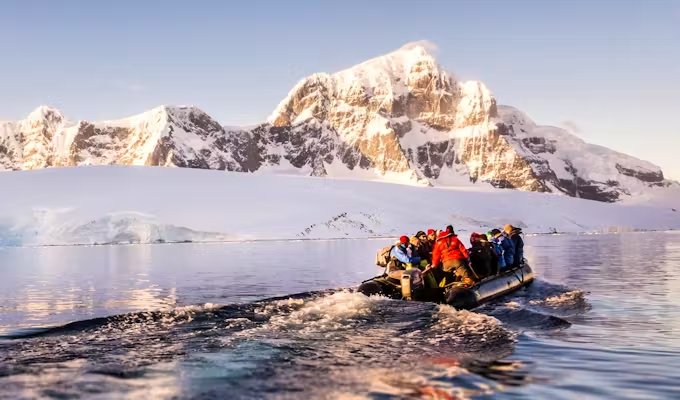
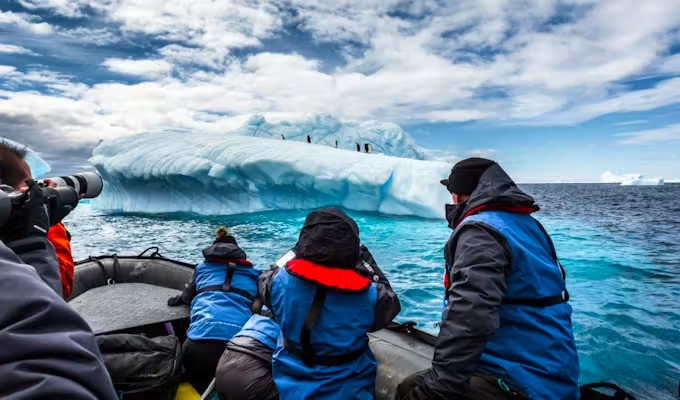
Prepare to be busy on an Antarctic cruise! Once you’ve arrived in Antarctica the backbone of each day is taken up by the off-ship excursions, of which there are normally two daily of between 2-3 hours long. These are either ‘landings’, where you go ashore to visit a penguin rookery or a place of historic interest, or a zodiac cruise when you’re on the lookout for wildlife and photographic opportunities.
There are often optional adventure activities – including kayaking and camping – as well as the ‘Polar Plunge’ and a programme of lectures delivered by the expedition team.
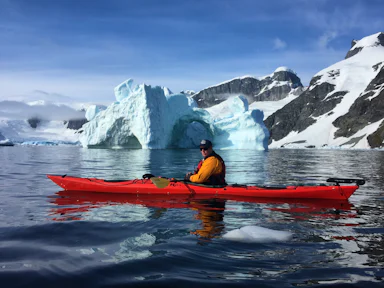
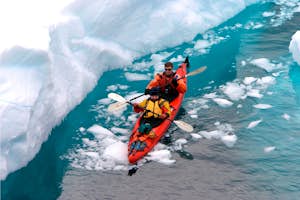
Kayaking off Cape Tuxen
A trip to Antarctica is a big ticket item in anyone’s book, so it’s important to have a firm understanding of the likely costs before you start getting too carried away.
Swoop can help to guide you.
Antarctica Cruises trips scored 4.4/5 from 943 reviews
I will keep Swoop in mind for my future adventure trips and also recommend Swoop to my friends definitely. It's a wonderful experience with Swoop. Thank you again for recommending and helping us to get the last cabin at that tight time before the trip's departure, so we experienced this unforgettable Antarctica trip.
Travelled: January 2020
Jinyu Xu - United States of America
Working with Swoop was a delight. They were so helpful and provided such good advice and useful detailed information. Read the full review
Travelled: February 2019
Ralph Pollack - United States Of America
If you have never been there, there is no way of preparing for the impact of being there. The untouched, natural beauty, the mighty icebergs, the silliness of the penguins. You will be spending hours just sitting in one spot adoring the view.
Travelled: January 2018
Zoltan & Stephen Nemeth - Florida
We've traveled to 87 different countries, and this was without a doubt our favorite destination. Of all the cruises we've been on, we spent more time out on our balcony on this trip than all the rest combined. The scenery changes so much, you don't want to miss anything. We saw countless whales from our balcony. And icebergs of every shape imaginable.
Travelled: December 2017
Chris & Amy - Florida
I think the only prerequisites for enjoying this trip are curiosity and realistic expectations about shipboard life: understanding that it is an expedition, not a cruise.
Travelled: December 2017
Marc - Florida
I have visited 89 countries and islands and Antarctica was my final continent. Without doubt, the Antarctica and Falkland Islands trip was the best experience, holiday and adventure I have ever had.
Travelled: February 2017
Nick - UK
John made this very hard decision so much easier by reassuring me of the incredible experience awaiting me and explaining every detail of the trip beforehand. If it wasn’t for John, I seriously do not know if I would have had the courage to go on this trip alone.
Travelled: February 2017
Jeff - Arizona
In a word, it was sensational. Everything was terrific: the ship, the "hotel" and the expedition team. You (John) are greatly loved among multiple crew folks. And we share that enthusiasm for you because your natural joy is infectious.
Travelled: February 2017
Larry and Julie - California
Swoop was phenomenal! I am so happy and grateful I booked with Loli and the Swoop team. Loli answered all of my questions and due to her first-hand experience with the trip, she was able to offer terrific guidance and helpful insights. I felt completely looked after and prepared for my trip.
Travelled: January 2017
Colette - California
From the first moment we booked our trip to Antarctica with Swoop, everything went so well. You can read about Antarctica, people can tell you about it, you can look at countless images, but it is so much more beautiful in reality.
Travelled: January 2017
Kim - Australia
The level of expertise and knowledge that Alex has is incredible and he helped us select the perfect trip for our needs and expectations. I've never had such good service.
Travelled: December 2016
Declan - UK
Swoop was fantastic. We were provided with great service, efficient and quality responses to our many questions. Swoop found us the perfect expedition to match our interests and budget. Alex even followed up with us throughout the process and called us the day of our departure to wish us a wonderful trip.
Travelled: December 2016
Bryce - Canada
We were extremely fortunate to link up with Swoop. We planned this trip at the last minute and I do not believe we would have found the right trip, right boat, or the right cabin. Loli knew that we were on our honeymoon and went out of her way to make sure we had the right cabin.
Travelled: November 2016
Ryan - Massachusetts
Review:

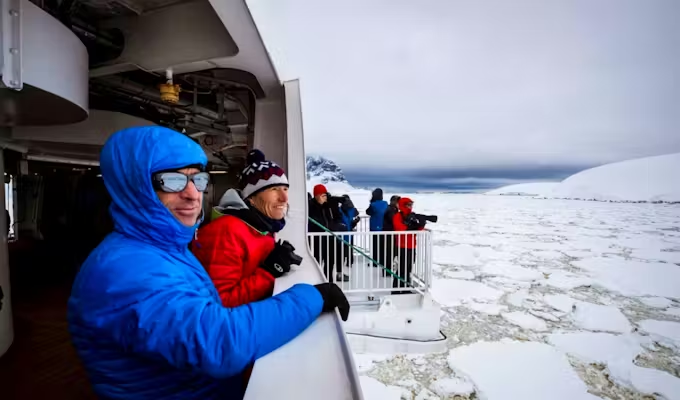
Expedition ship pushing through pack ice

A pod of whales, Antarctica

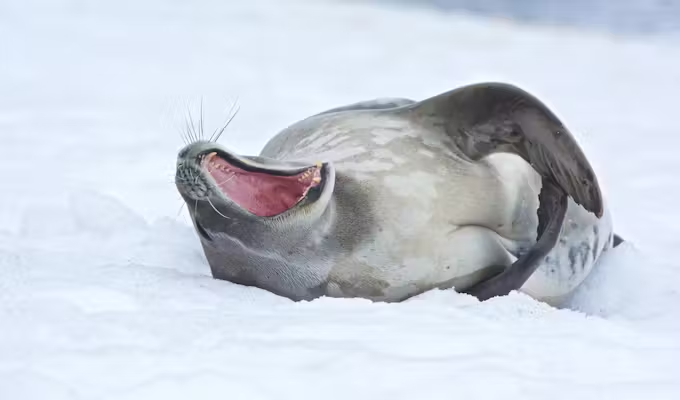
Resting Weddell seal with gentoo penguin looking on

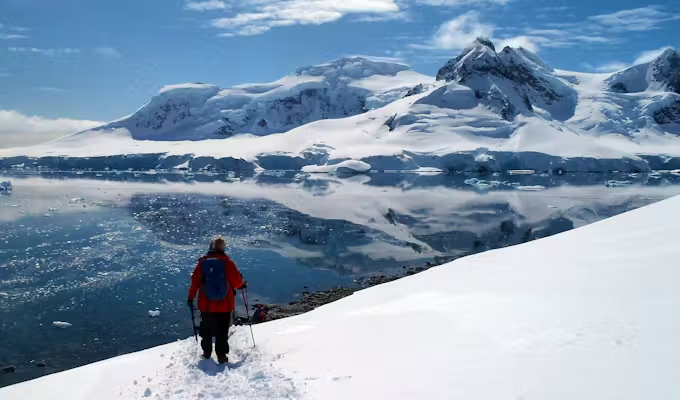
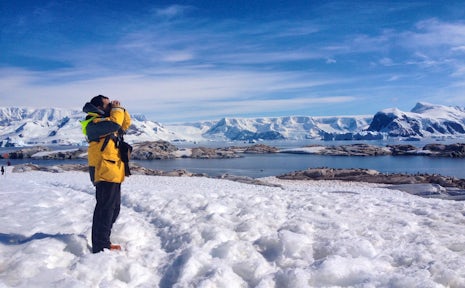
Hiking over the snow at Peterman Island

Electric blue iceberg

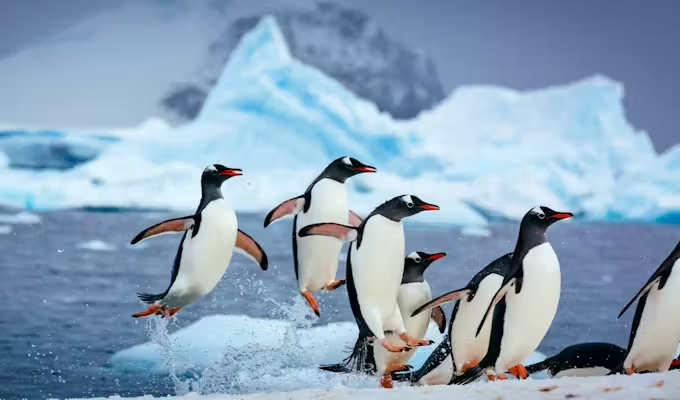
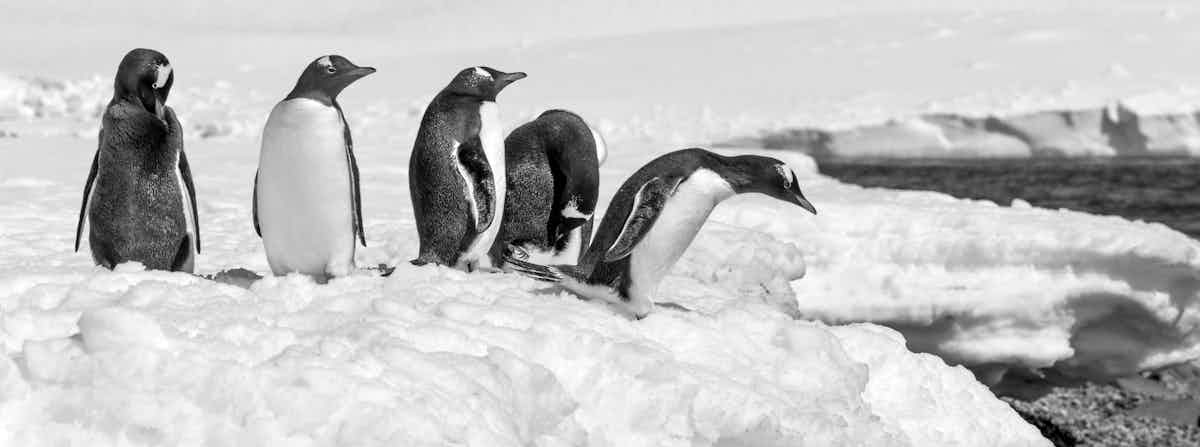
Acrobatic gentoo penguin with fur seal pup beyond

Paddleboarding in Antarctica

The flukes of a diving humpback whale

Port Lockroy, home to the world's most southerly post office


Dramatic skies at Half Moon Bay
Special Offers:Swoop has access to the widest range of offers and can help you find the right trip, cabin, & price.
4.6 out of 5
Fly over the Drake Passage in just 2 hours, both to and from Antarctica. Ideal for those wanting a high comfort level, but who have limited time or are anxious sailors. An outstanding program, successfully operated for over 15 seasons.…
4.7 out of 5
Travel with the pioneers of fly & cruise Antarctic voyages, flying in both directions and bypassing a 2-day sail on the Drake Passage. Regular departure dates (Dec - Feb) to choose from. Explore Antarctica aboard a trusty 68-passenger expedition ship…

4.7 out of 5
This impressive voyage combines all the comfort and speed of flying in both directions with extended time in Antarctica (7 full days) allowing you to head south towards the remote Antarctic Circle. Explore from the comfort of your outstanding purpose-built…

4.5 out of 5
A cost-effective Antarctic adventure. This itinerary is also ideal for those with limited time wanting to combine Antarctica with time exploring Patagonia. Sailing one way and flying back, you get to combine two iconic places: Antarctica and Cape Horn. Note,…
4.7 out of 5
If you’re keen to fly to Antarctica instead of sailing, this 8-day trip is ideal, with a choice of dates in December and January. Travel on outstanding modern expedition ships with a maximum of 140 passengers. Active adventurers can enjoy…
4.5 out of 5
By offering time saving flights, extended time in Antarctica and the chance to reach the Polar Circle, this 10-day voyage maximises the polar experience. Minimum travel time and maximum exploring time and all the benefits of only 73 people…

I've been to over 70 countries but still wasn't prepared for Antarctica. Put simply it blew my socks off - a full blown sensory assault. It's impossible to exaggerate Antarctica's magnificence and the indelible mark it leaves.
Alex Mudd Head of Swoop Antarctica
Choosing the right voyage is complicated, Swoop makes it easy. We offer no-nonsense advice on 1500 voyages across 30 ships to find you the right trip, cabin, price - and we don’t charge a fee.
Our team has visited Antarctica over 150 times and has 100 collective years of polar experience, so from which trip is right for you to what shoes to bring - there’s no question we can’t answer.
We want to protect Antarctica for future generations - which is why we became a certified B Corp and set up our own conservation fund. So your adventures can be a force for good.
We leave nothing to chance in delivering your perfect trip and have over 6500 happy travellers to show for it. With a dedicated Antarctic co-ordinator & support throughout - you’re in safe hands.
Cruises to Antarctica have a minimum age limit on certain ships, but there's certainly no upper age limit. As long as you are fit and healthy, and feel capable of clambering in and out of the zodiacs, you’ll be fine. The average age of Antarctic travellers is approximately 50-75 year old, however, this is falling with every season.
The majority of Antarctic cruises aren’t physically demanding and definitely fall into the ‘soft adventure’ category. Walking distances are fairly short, particularly on the Antarctic Peninsula, and when longer walks are available they are optional and will be offered alongside shorter ones.
For more active travellers, optional adventure activities (kayaking, camping, etc) are widely available on most voyages. There are also select departures like Basecamp Adventure specifically designed for the active traveller.
When deciding when to book your cruise to Antarctica, there are a couple of rules:
Rule No. 1: It’s never too early to book
Rule No. 2: The early mover gets the widest choice
To be confident of securing your first choice you need to be ideally booking 12 - 18 months in advance, or as early as the departure dates are released. The popularity and limited number of departures of Fly & Cruise and South Georgia cruises, in particular, make it even more important to start the booking process for these early.
This may seem excessive to those who don't typically plan this far ahead, but on an Antarctic trip when places aren’t infinite, the need to book early is crucial to avoid disappointment.
99% of Antarctic cruises depart from Ushuaia in Southern Argentina and Punta Arenas in Southern Chile. These are the main gateways to Antarctica and the Southern Ocean.
The Drake Passage has a reputation, and not without reason as approximately 30% of voyages experience rough weather, however, it can also be surprisingly placid too ('The Drake Lake').
The reality for the majority of our customers is that it's rarely as bad as it sounds, and it's certainly a 'price' well worth paying, but if avoiding The Drake altogether by flying to Antarctica is your preference, we have firsthand experience and can help.
This is the classic way to see Antarctica. Some of the most scenic spots and famous landmarks are found in this part of the Frozen Continent.
Discover More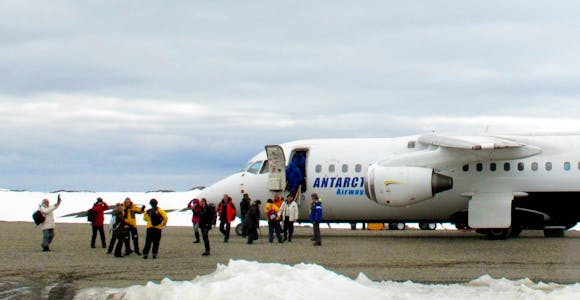
Flying is an increasingly popular way to access Antarctica, particularly if you are short on time or concerned about the sea crossing.
Discover More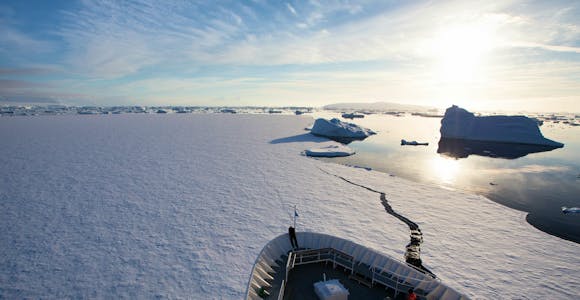
For the ultimate polar adventure, join a cruise that crosses the Antarctic Circle at 66 Degrees South and visit some of the most beautiful landmarks the White Continent has to …
Discover More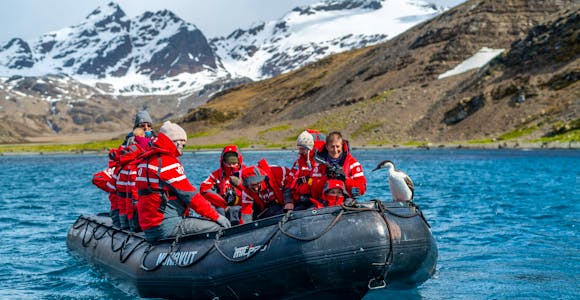
A jewel in Antarctica's crown, South Georgia is one of the world's great wildlife destinations: the Serengeti of the Southern Ocean
Discover MoreWe'll spend some time listening to your aspirations, then discuss the kind of experience that might suit you.
Next we'll discuss the options, shortlist the best trips for you and present you our impartial recommendations.
We'll place a 24 hour hold on your preferred option - without obligation - whilst we talk through the details.













With over 100 years of Antarctic experience between us, we can help guide you to exactly the right trip for you.
1-855-369-8288